








What to Know About Truck Accident Liability in Atlanta

March 14, 2025


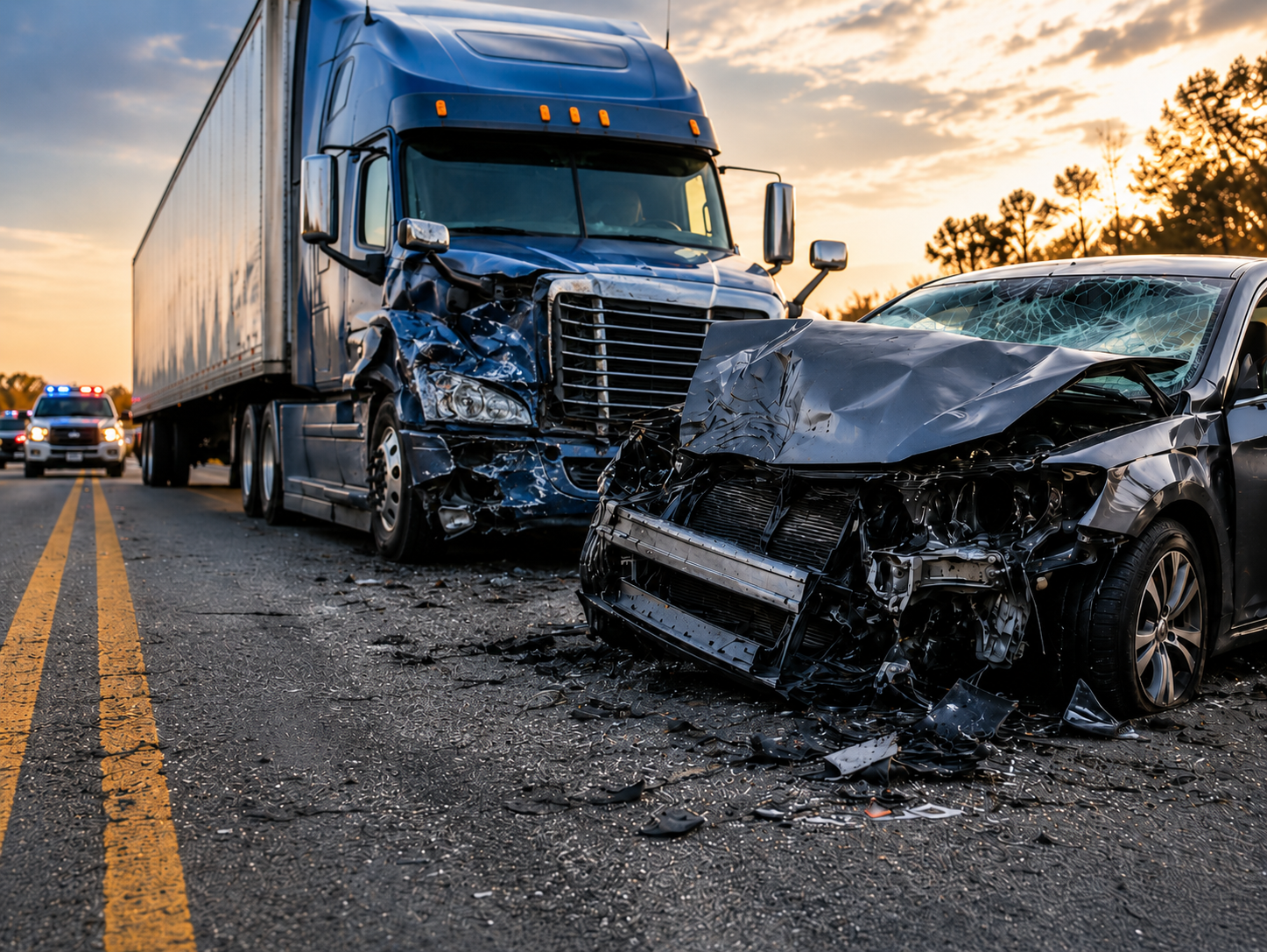
Truckers are keenly aware that they drive a dangerous vehicle. The sheer size and weight of a big rig can cause untold damage if it collides with a smaller car or SUV. Passengers in these smaller vehicles can easily sustain severe injuries that devastate them for months. Driving responsibly, following trucking regulations to the letter, and being prepared for the worst with a solid liability policy and accident attorney can give truckers the peace of mind they need to do their jobs.


Truck accidents can lead to legal issues that many victims may not fully understand. Knowing the basics of truck accident liability in Atlanta is crucial to overcoming these challenges. This article will cover essential topics, including specific state laws that affect liability and the important role of insurance in claims. By engaging with this content, readers will gain insights into protecting their rights and understanding how to seek proper legal representation after an accident. Whether dealing with driving under the influence or product liability, this guide will address common concerns and help alleviate the stress of the legal process.


Understand the Basics of Truck Accident Liability in Atlanta


Truck accident liability in Atlanta involves understanding how Georgia law defines fault, particularly in cases of distracted driving and other common causes. This section will explain the importance of negligence and how it determines liability, outline the types of damages victims may claim, and discuss how insurance policies play a critical role in these cases. Lastly, the statute of limitations for filing claims will be examined to provide comprehensive knowledge for those affected by truck accidents.


Define Truck Accident Liability Within Georgia Law


In Georgia, truck accident liability is primarily based on the concept of negligence. If a truck driver's actions, like distracted driving, result in an accident causing death or property damage, the driver may be found at fault. Understanding how negligence is determined can help victims gather necessary testimony and evidence to support their claims.


Victims injured in truck accidents can seek compensation for various damages, including medical bills from nursing care, lost wages, and property damage. Building a strong case often requires clear documentation and legal guidance to understand insurance policy claims. This approach not only enhances the prospects for recovery but also underscores the significance of safety in preventing future incidents.


Identify Common Causes of Truck Accidents in Atlanta


Truck accidents in Atlanta often stem from various common causes, which can lead to significant pain for those involved. One prevalent issue is distracted driving, where truck operators may take their attention off the road due to mobile devices or other distractions. Additionally, tight construction zones can impede traffic flow, increasing the likelihood of collisions as drivers manage these emergency conditions.


Compliance with federal and state regulations is crucial in trucking, and violations can contribute to accidents. For example, a trucking company may be held liable under the doctrine of respondeat superior if their driver causes an accident while performing work duties. This can provide avenues for victims to seek compensation for their injuries, making it vital for them to understand the underlying causes of truck accidents in their area.


Explain the Role of Negligence in Liability Cases


Negligence serves as a foundational aspect in truck accident cases, significantly influencing liability. Under Georgia law, if a truck driver fails to adhere to safety standards, such as maintaining focus on the road or complying with speed regulations, they may be deemed negligent. Victims of truck accidents can use evidence of this negligence to substantiate their claims and seek compensation for various damages, including pain and suffering.


The statute of limitations is another critical element in these cases, as it sets a time limit for filing claims. If individuals do not act within this timeframe, they may lose their right to seek compensation for their injuries and losses. Understanding the role of negligence and adhering to legal timelines empowers victims to effectively advocate for their rights following a truck accident.


Discuss Types of Damages Available After a Truck Accident


Victims of truck accidents in Atlanta face various potential injuries that can lead to significant financial burdens. Common damages include medical expenses for treating serious injuries like brain trauma, rehabilitation costs, and compensation for any required long-term care. Moreover, individuals may seek restitution for lost wages due to their inability to work, emphasizing the importance of establishing the truck driver's duty of care to adhere to safe driving practices.


In cases involving pedestrians, the implications of truck accidents broaden the spectrum of damages. Accident victims may claim compensation for emotional distress, pain and suffering, and loss of enjoyment of life, making it crucial to document the impact of the accident thoroughly. Understanding the specific types of damages available helps victims effectively build their claims and secure the necessary support for recovery after a truck-related incident.


Examine How Insurance Policies Affect Liability Claims


Insurance policies play a significant role in determining liability claims following a truck accident in Atlanta. When a commercial vehicle is involved, understanding the specific coverage limits is crucial for victims seeking compensation for their injuries. For instance, if an accident is caused by driver fatigue, the victim may need to prove that the truck driver was responsible for adhering to safe operating standards as outlined in the policy. This can be particularly complex when multiple parties, including trucking companies and insurers, are involved in the claims process.


Additionally, insurance policies can affect the outcome of liability claims. Victims often face challenges during the adjustment process, especially if their injuries require extensive nursing home care or ongoing rehabilitation. Knowing the types of damages covered under the policy and the potential for negotiating with the insurer impacts the financial recovery for accident victims. Awareness of these policy details empowers claimants to advocate effectively for their rights and secure the support needed for a full recovery after an injury incident.


Overview of the Statute of Limitations for Claims


The statute of limitations for filing a lawsuit after a truck accident in Atlanta typically allows victims two years from the date of the incident. This timeframe is crucial for determining liability, as failing to file within this period can result in the court dismissing the case entirely. Victims must understand that gathering evidence and preparing for a potential trial involves a timely approach, particularly when establishing the responsible party's behavior.


In cases involving truck accidents, the defendant's insurance policy and liability can impact the claims process. Documenting injuries and all related expenses early is essential, as it strengthens a victim's case in court. By being proactive and aware of the statute of limitations, accident victims can understand their recovery options and make sure they do not miss the chance to seek compensation for their losses.


Learn About Specific State Laws Affecting Liability


Understanding truck accident liability in Atlanta requires familiarity with several crucial state laws. This includes reviewing Georgia's truck weight regulations and their impact on safety, as well as comprehending the requirements for a commercial driver's license. Examining how state law determines fault in collisions, alongside Atlanta’s traffic laws, provides valuable insight into legal responsibilities. Additionally, investigating recent changes to truck safety regulations and assessing employer liability in accidents will offer a comprehensive view of the legal issues surrounding truck accident claims.


Review Georgia’s Truck Weight Regulations and Their Impact


Georgia’s truck weight regulations are critical in safeguarding road safety and significantly impact liability in truck accident claims. When a truck is loaded beyond acceptable weight limits, it can impair braking ability, increase stopping distance, and heighten the risk of severe accidents, leading to substantial damages. Factors such as tire blowouts or loss of vehicle control become more likely, which can affect the verdict in liability cases when negligence is established.


Compliance with weight regulations also plays a pivotal role in determining whether a trucking company faces penalties or liability for accidents. If a truck exceeds the regulated weight limit, the company may incur a hefty fee and would likely be deemed negligent if the excess weight contributes to an incident. Reporting and maintaining proper cargo weights is essential for truck operators, underscoring the importance of adhering to these regulations to mitigate potential risks and support successful accident claim outcomes.


Understand Commercial Driver's License Requirements


In Atlanta, understanding the requirements for a commercial driver's license (CDL) is essential for those involved in truck accident liability cases. The CDL mandates specific training and testing to confirm truck drivers operate their vehicles safely and effectively. If a truck driver lacks the necessary CDL qualifications, this may lead to issues of vicarious liability, where the trucking company could be held responsible for the negligence resulting in an accident. Such legal details can significantly influence the settlement outcomes for injured victims.


Making sure a truck driver meets CDL standards is crucial in establishing liability in accidents. If a driver operates a commercial vehicle without proper licensing, it can weaken the defense of the trucking company and strengthen the claims of those injured in an accident. Furthermore, compliance with and enforcement of CDL regulations can guide lanes of safe operation and promote accountability within the industry, ultimately reducing risks and enhancing road safety for everyone.


Analyze How State Law Determines Fault in Collisions


In truck accident claims, state law plays a pivotal role in determining fault during collisions. In Atlanta, officials assess various factors, such as driver conduct, compliance with traffic regulations, and vehicle maintenance records. For instance, in a truck accident case involving a garbage truck, the state may evaluate whether the driver followed proper safety protocols when traveling busy streets, as any deviations could establish negligence and influence liability outcomes.


Furthermore, understanding how South Carolina law interacts with Georgia regulations is essential for cases that may cross state lines. When assessing fault, both states may consider similar standards for negligence, but the law can affect the evaluation of claims substantially. Victims of truck accidents must be aware of these variations to construct their cases effectively and pursue the compensation they deserve.


Familiarize With Atlanta’s Traffic Laws and Their Implications


Understanding Atlanta's traffic laws is essential for anyone involved in truck accident liability cases. These regulations, which govern speed limits, right-of-way, and traffic signals, directly impact how negligence is determined following an accident. For instance, if a truck driver violates a traffic policy—such as exceeding speed limits—this breach can significantly bolster a personal injury claim. Victims may use these violations to demonstrate the driver's negligence, which is critical in securing rightful compensation for their losses.


Additionally, Atlanta's unique traffic patterns and regulations can influence the outcome of accident claims. Understanding how local laws interact with state liability concepts can affect the legal strategies used in personal injury cases. For example, if a victim suffers not only physical injuries but also a loss of consortium due to a spouse's long-term incapacitation, recognizing the details in traffic laws becomes vital. This insight enables victims to advocate effectively for themselves and seek appropriate damages tied to their circumstance.


Investigate Recent Changes to Truck Safety Regulations


Recently, changes to truck safety regulations have been implemented in Georgia to enhance overall road safety and reduce the likelihood of accidents. These adjustments include stricter requirements for vehicle maintenance and the introduction of enhanced training programs for commercial drivers, making sure they are better equipped to handle challenging situations. As a result, truck operators must adhere to higher standards of accountability, which can have significant implications during liability claims when accidents occur.


Understanding these regulatory changes is essential for individuals involved in truck-related incidents. Victims may benefit from consulting with an attorney who specializes in truck accident cases, as they can help with details surrounding liability and compensation. For those who experience accidents, staying informed about these safety regulations can provide a clearer path to seeking justice and obtaining the support they need for recovery, whether that involves medical expenses or lost wages.


Assess the Role of Employer Liability in Truck Accidents


In truck accident cases, employer liability plays a critical role in determining who is responsible for an incident. A trucking company has a duty to make sure its drivers adhere to safety standards and regulations. When an accident occurs due to a driver's negligence while performing work-related duties, the employer may be held accountable. This can lead to victims pursuing a wrongful death claim or compensation for medical expenses, property damage, and lost wages.


Negotiation with the trucking company's insurance is often a complicated process due to the involvement of employer liability. Victims must understand that proving the employer's duty and the driver's negligence is essential for securing fair compensation. Those affected by an accident are advised to seek legal guidance to manage these negotiations effectively and build a strong case that addresses the full scope of their damages.


Evaluate the Role of Insurance in Truck Accident Claims


Insurance plays a pivotal role in truck accident claims in Atlanta. Understanding different types of liability insurance for trucks is essential, as it influences compensation outcomes. Successfully filing a claim requires thorough accident documentation and familiarity with the challenges posed by insurance adjusters. Additionally, the risk of underinsurance can significantly impact liability outcomes. Comparing Atlanta's insurance requirements with those of other states highlights the details in addressing premises liability and potential punitive damages.


Research Different Types of Insurance Coverage for Trucks


The types of insurance coverage for trucks significantly impact liability claims in Atlanta. Commercial truck drivers are typically required to carry liability insurance as mandated by the federal motor carrier safety administration. This coverage safeguards victims against suffering from financial losses due to accidents on highways, offering critical support for medical expenses, lost wages, and property damage that may result from truck-related incidents.


Understand the Process of Filing a Claim Successfully


Successfully filing a claim after a trucking accident involves several crucial steps. First, victims should document all relevant details about the incident, including the vehicle weight, the conditions of the accident, and any evidence of drowsy driving. Gathering this information lays a strong foundation for the claim and highlights negligence, which can be essential when negotiating with insurance companies.


Furthermore, consulting an expert witness can significantly enhance the claim's credibility. These professionals can provide valuable insight into how vehicle weight and driver behavior may have contributed to the accident. By effectively communicating the situation, victims can improve their chances of securing fair compensation while managing the often-challenging insurance processes associated with truck accidents.


Discuss the Importance of Accident Documentation for Claims


Accurate documentation following a truck accident is critical for establishing a solid claim. Collecting evidence such as witness statements, photos of the scene, and the truck’s cargo can significantly support a victim's case. Properly documenting details, including the truck's license information and any violations of the speed limit, can help clarify liability and reinforce the argument regarding the driver's negligence.


In instances where the accident occurred in Pennsylvania, for example, the importance of documentation becomes even more pronounced, as laws may differ from Georgia's. Victims must gather all records pertaining to the incident, from police reports to medical expenses, to make sure they have comprehensive evidence for their claim. This thorough approach can aid in negotiating with insurance companies and securing fair compensation for damages incurred due to a truck accident.


Review the Challenges of Dealing With Insurance Adjusters


Dealing with insurance adjusters after a truck accident can be challenging for victims seeking compensation. Adjusters often aim to minimize payouts, which may leave injured parties at a disadvantage, especially if they are struggling with serious injuries, such as spinal cord damage. Understanding the adjuster's strategies and knowing the full extent of damages suffered can empower victims to negotiate more effectively.


The process may involve extensive back-and-forth communication, creating frustration for those already dealing with recovery. Victims must stay organized, keeping detailed records of medical treatments, lost work time, and any other related expenses to support their claims. This approach not only aids in building a solid case against the insurance company but also guarantees they effectively advocate for their rights during often difficult discussions.


Explore How Underinsurance Affects Liability Outcomes


Underinsurance can play a significant role in truck accident liability claims, especially when the costs of medical treatment and repair far exceed the coverage limits of the truck driver’s insurance policy. For victims seeking compensation, this scenario may lead to a frustrating gap between the available funds and the actual expenses incurred due to the accident. Understanding these limitations is vital, as it can directly affect the outcome of claims and the financial recovery available to those affected.


In cases where underinsurance is present, injured parties may need to explore other avenues for compensation, such as pursuing claims against the trucking company or identifying other responsible parties. It is essential for victims to work closely with an attorney who can help them understand this and potentially uncover additional sources of recovery. By effectively addressing the challenges posed by underinsurance, victims can improve their chances of obtaining the financial support necessary for recovery after a truck accident.


Compare Atlanta's Insurance Requirements to Other States


Atlanta's insurance requirements for commercial trucks typically align with federal regulations, necessitating that trucking companies maintain specific liability coverage levels. These minimum coverage limits help victims have access to necessary compensation for medical expenses and property damage resulting from accidents. In contrast, some states may have more lenient requirements, which can leave victims with inadequate financial support following a collision, making it essential for individuals involved in truck accidents to understand their state's laws.


Moreover, Atlanta's rigorous insurance standards act as a framework for evaluating liability when accidents occur. Victims in Georgia may find that their claims are affected by both state and federal compliance, while other states may prioritize different elements of insurance coverage. Understanding these comparisons can empower victims to understand their recovery options more effectively, emphasizing the importance of comprehensive insurance coverage in protecting their rights after a truck accident.


Discover How to Protect Your Rights After an Accident


To protect rights after a truck accident in Atlanta, individuals should prioritize immediate actions that secure evidence at the scene and seek prompt medical attention for injuries. Documenting interactions with insurance companies and consulting with a specialized attorney for legal advice are essential steps. Understanding the right to fair compensation and managing disputes over liability further empowers victims in their recovery process.


Take Immediate Actions to Secure Evidence at the Scene


After a truck accident in Atlanta, taking immediate actions to secure evidence at the scene is vital for establishing liability. Victims should gather crucial information, such as photographs of the accident site, vehicle damages, and road conditions. Collecting witness statements and obtaining law enforcement reports can further support a victim's claim, making sure they have comprehensive evidence for their case.


Additionally, preserving evidence can significantly impact the outcome of a claim. Victims are encouraged to document their interactions with other parties involved, including any discussions regarding fault or liability. This thorough approach not only aids in building a stronger case but also empowers victims in their pursuit of fair compensation for their injuries and losses following the accident.


Seek Medical Attention Promptly for Injuries


Seeking medical attention promptly after a truck accident is crucial for health and building a solid case for liability. Injuries may not always be immediately apparent, and a thorough medical examination can identify issues that could complicate claims later. Timely documentation of injuries also serves as vital evidence in demonstrating the severity of harm suffered, which can significantly impact compensation recovery.


Additionally, establishing a clear medical record helps link injuries directly to the truck accident, reinforcing the victim's claim of negligence. Victims are encouraged to follow all medical advice and treatments, as adherence demonstrates diligence in recovery. This proactive approach not only addresses immediate health concerns but also strengthens legal standing when seeking compensation for damages incurred in the accident.


Document All Interactions With Insurance Companies


Documenting all interactions with insurance companies is crucial for individuals involved in truck accidents in Atlanta. By keeping detailed records of conversations, including dates, names of representatives, and the content discussed, victims can create a solid foundation for their claims. This documentation can also prove invaluable if disputes arise regarding coverage or liability, as it helps establish a timeline of communication and responses.


Furthermore, maintaining organized notes from these interactions allows victims to track the progress of their claims effectively. When negotiating with insurers, having accurate records can clarify any misunderstandings and support a victim's case for full compensation. Being proactive in this aspect can significantly influence the outcome of claims, making sure individuals do not overlook important details that could impact their recovery process.


Consult With a Specialized Attorney for Legal Advice


Consulting with a specialized attorney following a truck accident in Atlanta is a vital step for individuals seeking liability claims. An attorney experienced in truck accident cases understands the intricacies of state and federal regulations that affect liability. They can provide tailored legal advice to help victims gather the necessary evidence and support their claims effectively.


A skilled attorney also plays a crucial role in negotiating with insurance companies, which can often complicate the claims process. Their expertise enables victims to secure fair compensation for medical expenses, lost wages, and other damages associated with the accident. By partnering with an attorney, accident victims can advocate for their rights and focus on recovery while their legal interests are diligently represented.


Know Your Right to Receive Fair Compensation for Damages


Victims of truck accidents in Atlanta have the right to seek fair compensation for the damages they incur. This includes recovering medical expenses, lost wages, and costs associated with rehabilitation. Understanding these rights empowers individuals to take necessary steps to ensure their claims reflect the full extent of their injuries and losses.


To effectively pursue rightful compensation, victims should gather all relevant documentation, such as medical records and accident reports, that clearly demonstrate the impact of the incident on their lives. Consulting with an attorney experienced in truck accident liability can provide guidance in managing insurance claims and maximizing recovery options. Being aware of these rights allows individuals to advocate for themselves in the aftermath of such distressing events.


Learn How to Handle Disputes Over Liability


Disputes over liability after a truck accident in Atlanta can be challenging for victims seeking justice. Understanding the nuances of Georgia law regarding negligence and fault is essential, as it can influence the outcome of any legal proceedings. By gathering strong evidence, such as witness statements and accident reports, individuals can clearly establish liability, which is a crucial step in resolving disputes effectively.


When disputes arise, consulting with an attorney experienced in truck accident cases can provide invaluable guidance. An attorney can help victims assess their situation, strategize their approach, and communicate effectively with insurance companies. This support not only enhances the chances of a favorable resolution but also empowers the victim to feel confident in advocating for their rights amidst liability disputes.


Assess the Importance of Legal Representation in Cases


Hiring an Atlanta truck accident attorney brings numerous benefits, including their expertise in gathering evidence and effectively building cases. Understanding the dynamics of the attorney-client relationship can enhance communication and trust throughout the legal process. Additionally, evaluating fees and costs associated with legal services, as well as assessing potential outcomes when seeking legal help, is crucial. Exploring alternative dispute resolution methods can further provide options for victims during truck accident claims.


Identify Benefits of Hiring a Truck Accident Attorney


Hiring a truck accident attorney offers significant advantages, especially when completing liability claims. These legal professionals bring expertise in understanding state and federal regulations that govern trucking, which is essential for building a strong case. For instance, they can help victims gather crucial evidence, such as accident reports and witness statements, to clearly establish fault and strengthen their claims against insurance companies.


Moreover, a truck accident attorney can provide valuable guidance throughout the legal process, making sure victims do not miss important deadlines, such as the statute of limitations for filing a claim. With their knowledge of the intricacies involved in negotiating with insurers, attorneys advocate effectively for fair compensation that accounts for medical expenses, lost wages, and pain and suffering. This level of representation not only enhances the chances of a favorable outcome but also allows victims to focus on their recovery after a distressing incident.


Discuss How Attorneys Gather Evidence and Build Cases


Attorneys play a vital role in gathering evidence for truck accident liability cases by employing various strategies to build strong claims. They utilize police reports, witness statements, and photographs from the accident scene to create a comprehensive picture of what transpired. This thorough documentation helps establish clear fault, which is essential for victims seeking compensation for their injuries and losses.


Furthermore, skilled attorneys often consult with expert witnesses, such as accident reconstruction specialists, to analyze the events surrounding the incident. These experts can provide insights into truck operation, safety protocols, and industry regulations, reinforcing the case against the liable parties. By leveraging such resources, attorneys enhance the chances of a favorable outcome, helping victims receive the support they need to recover from their injuries.


Understand the Attorney-Client Relationship in These Cases


The attorney-client relationship in truck accident liability cases is designed to build trust and open communication. An experienced attorney understands the complexities of Georgia's laws regarding truck accidents and can provide guidance during the legal process. By sharing pertinent information and concerns openly, clients empower their attorneys to build a case that accurately represents their needs and experiences.


Evaluate Fees and Costs Associated With Legal Services


In the context of truck accident liability in Atlanta, understanding the fees and costs associated with hiring a legal professional is essential. Many attorneys specializing in this area operate on a contingency fee basis, meaning they only receive payment if they win the case for their clients. This arrangement allows victims of truck accidents to pursue compensation without the burden of upfront legal fees, making legal representation more accessible to those coping with injury recovery and financial loss.


Transparency in fee structures is key when evaluating legal services after a truck accident. Potential clients should discuss all costs upfront, including any additional expenses related to case preparation, such as expert witness fees or court costs. By understanding the financial implications of legal representation, victims can make informed decisions that best support their recovery efforts while completing truck accident claims.


Analyze the Potential Outcomes When Hiring Legal Help


When individuals hire legal representation after a truck accident, they often experience improved prospects for achieving favorable outcomes. An attorney familiar with truck accident liability in Atlanta understands local laws and insurance policies, which can significantly enhance a victim's ability to secure compensation for medical expenses, lost wages, and property damage. By leveraging their expertise, attorneys can effectively manage negotiations with insurance companies, which may otherwise be daunting for victims managing their recovery.


Additionally, legal professionals excel at gathering evidence and building strong cases that accurately depict the circumstances of the accident. For instance, they can consult accident reconstruction experts and document witness statements, strengthening the claim against negligent parties. This thorough preparation increases the likelihood of favorable settlements or jury verdicts, helping victims receive the support necessary for recovery after a truck-related incident.


Explore Alternative Dispute Resolution Methods Available


Alternative dispute resolution (ADR) methods, such as mediation and arbitration, offer effective avenues for resolving truck accident liability cases in Atlanta. Mediation involves a neutral third party who facilitates discussions between the victim and the insurance provider or trucking company, helping both parties reach a mutually acceptable agreement. This process can save time and reduce costs compared to traditional litigation, making it an appealing option for those seeking swift resolution while making sure their rights are protected.


Arbitration serves as another viable solution, wherein an independent arbitrator reviews the case details and makes a binding decision on the matter. Many individuals find arbitration beneficial because it provides a streamlined process, often resulting in quicker outcomes than court proceedings. Understanding these ADR methods allows truck accident victims to manage their options effectively, potentially leading to satisfactory compensation without the prolonged stress of a courtroom battle.


Investigate Common Mistakes to Avoid in Liability Cases


Victims of truck accidents in Atlanta must be aware of common mistakes that could jeopardize their claims. Avoiding delays in filing claims against liable parties is essential, as is refraining from providing statements without legal counsel. Additionally, sharing details on social media or accepting early settlement offers without thorough review can harm a case. Attention to the accident report details and clarifying misunderstandings about liability and negligence are also crucial for building a successful claim.


Avoid Delay in Filing Claims Against Liable Parties


Timely filing of claims against liable parties is crucial in truck accident cases in Atlanta. Victims have a limited window to initiate legal action, typically two years from the accident date, as governed by Georgia's statute of limitations. Delaying this process can result in losing the right to seek compensation for medical expenses, lost wages, and other damages, leaving victims with mounting financial burdens.


Victims should prioritize gathering evidence and consulting with an experienced attorney as soon as possible after the accident occurs. Early legal guidance not only helps clarify the responsibilities of all parties involved but also guarantees that essential evidence is preserved. By acting promptly, victims can strengthen their claims and improve their chances of obtaining the restitution they need to recover from their injuries and losses.


Steer Clear of Providing Statements Without Legal Counsel


Victims of truck accidents in Atlanta should avoid providing statements without first consulting legal counsel. Insurance companies often aim to minimize payouts, and any statement given can be used against the victim later in the claims process. An attorney can offer crucial guidance on how to communicate effectively while protecting the victim's rights and interests during negotiations.


Additionally, statements made at the scene or soon after the accident can easily be misinterpreted, potentially complicating the case. By working with a legal professional, victims can confirm their accounts are accurate and that their narratives align with the facts needed for a strong claim. This proactive approach helps individuals manage truck accident liability and increases the likelihood of securing adequate compensation for their injuries and losses.


Prevent Sharing Details of the Case on Social Media


Victims of truck accidents should be cautious about sharing any details of their case on social media. Insurance companies can monitor social media platforms and use posts to dispute claims, potentially undermining the victim's position. For instance, a seemingly innocent post about recovery could be misinterpreted, suggesting the individual is not as injured as claimed, which can complicate liability cases significantly.


Maintaining privacy regarding the details of a truck accident not only protects the victim's legal standing but also allows for more effective negotiations with insurers. It is advisable for individuals to refrain from discussing the incident or sharing updates about their recovery online until the case is resolved. By doing so, victims preserve their claims and guarantee they have a stronger foundation for seeking fair compensation for their injuries and losses.


Resist Accepting Early Settlement Offers Without Review


Victims of truck accidents in Atlanta are often approached by insurance companies with early settlement offers shortly after the incident. These initial offers may seem tempting as they promise rapid compensation for injuries and damages. However, accepting these offers without thorough review can lead to significant financial drawbacks, as they may not cover the full extent of medical expenses, rehabilitation needs, and lost wages that could arise later on.


It is essential for victims to consult with legal counsel before making any decisions regarding settlement offers. Attorneys experienced in truck accident liability can provide valuable insights into the long-term costs associated with injuries, helping victims understand their options. By resisting the urge to accept quick settlements, individuals can secure fair compensation that truly reflects the damages and hardships they may face in their recovery process.


Pay Attention to the Details of Your Accident Report


Paying close attention to the details in an accident report is essential for victims involved in truck accidents in Atlanta. Accurate documentation ensures that all relevant information—such as the time, location, and circumstances of the incident—is captured correctly. This precision can strengthen a victim's case by clearly presenting the facts, thereby establishing liability and supporting claims for damages.


Furthermore, discrepancies in the accident report can complicate legal proceedings. For instance, if a victim neglects to report specific injuries or circumstances, it may weaken their claims with insurance providers. Thoroughly reviewing the accident report and making necessary corrections as soon as possible not only protects the victim's rights but also enhances their chances of receiving fair compensation for injuries and losses sustained in the truck accident.


Clarify Misunderstandings About Liability and Negligence


Misunderstandings about liability and negligence in truck accidents can significantly impact legal claims in Atlanta. Many victims mistakenly believe that fault is straightforward, but determining negligence often requires a thorough investigation into the driver's actions, the company's policies, and adherence to safety regulations. This highlights the importance of seeking legal guidance to clarify misconceptions and accurately assess the dynamics of the case.


Victims should also be aware that their own actions may affect liability assessments. For instance, if a truck accident victim was not adhering to traffic regulations at the time of the incident, their negligence can complicate the claims process. Recognizing how negligence works in the context of shared responsibility is crucial for anyone looking to seek compensation after a truck accident, helping them understand their rights and the factors influencing their claims.


Recent Posts

By Joseph Zdrilich January 23, 2026
 While America's "vintage" cities are full of charm, they can be a real driving hazard in today's larger vehicles. Add to that a large influx of tourists who don't know where they're going, and you have a recipe for road accidents. Even the best drivers can be involved in an accident that causes injury, so skill isn't the issue. It's more about developing defensive driving habits that keep you and others on the road safe. Savannah’s narrow, historic streets, heavy tourist foot traffic, and busy connector roads create driving conditions that reward local awareness and defensive habits. This guide gives clear, Savannah-focused safe-driving advice you can start using today, tips that lower crash risk, protect people on foot and on bikes, and explain the right steps if a collision happens. You’ll learn prioritized defensive behaviors, the corridors and intersections that deserve extra care, strategies to prevent common crash causes, and a step-by-step checklist for after a crash. The guidance draws on local safety initiatives and national best practices to help you make immediate, practical changes behind the wheel. Zdrilich Injury Law shares this resource to promote community safety and to point out when legal guidance may be appropriate. What Are the Top Defensive Driving Tips for Safe Driving in Savannah? Defensive driving in Savannah means expecting tourist crossings, delivery activity, and frequent lane shifts on arterial roads. These habits reduce crash risk by giving you more time and space to react. Defensive driving widens your buffers and sharpens your scanning so you can respond calmly to both predictable and sudden hazards. Below are the priority behaviors to use while driving downtown, on River Street, and along connector routes. Practicing them regularly reduces your risk of collisions and helps keep everyone on the road safer. Keep a bigger following distance: aim for a three- to four-second gap in city traffic. Scan intersections early: spot pedestrians, delivery trucks, and turning vehicles before you enter. Slow down in historic and tourist areas: treat narrow lanes as effectively single-lane roads. Position your lane defensively when sharing space with cyclists and commercial vehicles. Remove in-car distractions and follow Georgia’s hands-free phone rules. These core habits form a practical safety baseline that cuts reaction-time pressure and prevents common conflicts. How Can Defensive Driving Reduce Accident Risks on Savannah Roads? Defensive driving lowers crash risk by creating time and space buffers, improving anticipation, and minimizing surprises. Looking 10–12 seconds ahead helps you spot pedestrians near tourist sites or a car about to turn, letting you slow gradually rather than brake hard. Space management, a larger following gap, and slight lane offsets limit chain-reaction crashes and give room to avoid hazards like double-parked delivery trucks on narrow streets. For example, when you see a delivery truck stopped near River Street, inch over within your lane early to prevent a sideswipe or sudden lane change. Adopting one micro-habit, such as a consistent mirror-check rhythm, builds safer driving over time and keeps defensive driving sustainable. What Are the Key Techniques for Maintaining Situational Awareness in Savannah Traffic? Situational awareness relies on steady scanning, disciplined mirror checks, and predictable vehicle control, all of which account for local cues such as tour groups, parking maneuvers, and festival crowds. Use a simple pattern: check mirrors every 6–8 seconds, do quick head checks before lane changes, and maintain a 10–12 second look-ahead to anticipate signals and pedestrian movement. In historic districts, watch for clusters of people near attractions and slow down early to avoid abrupt stops. During festivals, assume crosswalks may be active even when signals are green. These techniques turn what you see into safer choices and reduce the chance of being surprised by sudden human or vehicle actions. Which Savannah Roads and Intersections Are Most Dangerous for Drivers? High-risk corridors in Savannah combine heavy through traffic, frequent turning movements, and active pedestrian traffic; knowing these spots helps you plan safer routes. Commonly noted trouble areas include Abercorn Street, DeRenne Avenue, and Victory Drive, as well as the I-16/I-95 connector ramps, where speed differences are significant. What Makes Abercorn Street and Other Intersections Risky in Savannah? Abercorn and similar corridors are risky because they mix high foot traffic, frequent deliveries, and multiple turning lanes that create conflict points. Signal timing focused on vehicle flow can clash with pedestrian patterns, prompting abrupt stops and risky cross-traffic moves; commercial driveways add surprise turns. Parked cars reduce sightlines, increasing chances of sideswipes and pedestrian-involved crashes. Recognizing these structural risks helps you choose safer lane positions, reduce speed, and be ready to stop, especially near River Street and other tourist access points. How Can Drivers Safely Use Savannah’s Most Hazardous Intersections? Safely handling hazardous intersections takes deliberate lane positioning, conservative gap acceptance, and early signaling so other road users understand your intent. When sightlines are limited, shift slightly within your lane to improve visibility without entering the next lane, and avoid forcing left turns into tight gaps. Boost your visibility with daytime running lights when appropriate, and make eye contact with pedestrians when it's safe to do so. If the situation feels uncertain, with poor lighting, heavy foot traffic, or confusing signs, pick a more straightforward route or wait for an obvious gap instead of pushing your way through. How Can You Prevent Common Causes of Car Accidents in Savannah? Stopping common causes of crashes like distracted driving, impairment, speeding, and hazardous road conditions depends on behavior, legal awareness, and environmental adjustment. Each cause links to predictable driver actions and clear prevention steps; the table below contrasts causes, typical behaviors, and straightforward prevention strategies with relevant legal context. Using these strategies supports local Vision Zero efforts and matches enforcement trends from area agencies. What Are Effective Ways to Avoid Distracted and Impaired Driving in Savannah? Prevent distracted driving by preparing before you go: activate Do Not Disturb, program your navigation, and stow your phone. For impaired driving, arrange alternatives before evenings out or festival nights, designate a sober driver, or book a rideshare, and plan to leave with others when possible. Local enforcement pairs education with ticketing, so these habits reduce both safety and legal risk. Small changes like auto-replies, placing devices in the glove box, or setting a trip playlist remove everyday temptations and build a more consistent pattern of safer driving. How Do Speeding and Hazardous Road Conditions Impact Savannah Driving Safety? Speeding raises stopping distances and crash energy, making collisions more likely and more severe on Savannah’s mix of urban streets and arterials. In heavy rain, fog, or poor lighting, slow down significantly. A practical rule is to cut speed by about 20% in heavy rain and increase your following gap. Potholes, uneven pavement, and narrow historic lanes call for slower speeds and careful steering to avoid losing control or striking cyclists. Matching your speed to surface, visibility, and pedestrian density is one of the simplest ways to reduce both crash frequency and severity across the city. What Should You Do Immediately After a Car Accident in Savannah? After a crash, prioritize health and preserve evidence: check for injuries, secure the scene if safe, collect evidence, and report to authorities. The table below lays out a step-by-step checklist that links each action to its purpose and gives practical on-the-ground steps to protect your rights. Following these steps helps with both immediate safety and later insurance or legal processes. The numbered steps below reinforce the order and add practical tips for dealing with insurers and first responders: Check for injuries and call emergency services if anyone is hurt. Secure the scene if it’s safe to do so and document everything with photos. Exchange limited information, including names and insurance, but avoid detailed admissions of fault. Request a police report and record the responding officer’s name and badge number. Notify your insurer promptly, but avoid recorded statements about fault without legal advice. These actions protect both health and legal options. If you suffer injuries or face complicated evidence issues, speaking with a local attorney is often a wise next step. Zdrilich Injury Law is a Savannah personal injury firm that provides guidance on post-crash steps and can help injured motorists protect their claims and pursue fair compensation. What Are the Critical Steps to Protect Your Health and Legal Rights After a Crash? Protecting your health starts with prompt medical attention, even for minor-feeling injuries, because symptoms can surface later and medical records link injuries to the crash. Preserve the scene with photos and witness contacts, and obtain a police report to create an independent record; these documents are key for insurers and attorneys when establishing fault. When speaking with insurance representatives, stick to factual descriptions and avoid speculation or recorded admissions of fault. Act promptly: get medical care right away, document details the same day, and keep all medical and repair bills to support any future claim. Why Is Legal Representation Important for Savannah Car Accident Victims? An attorney helps injured drivers preserve evidence, negotiate with insurers, and pursue full compensation by connecting medical records to legal standards and local enforcement records. A Savannah car accident lawyer organizes medical documentation, can obtain independent reconstruction if necessary, and negotiates with insurers to avoid premature low offers. For many victims, counsel evens the playing field with insurance companies and clarifies options under Georgia law. If you face serious injury, disputed fault, or inadequate insurer offers, speaking with an experienced local attorney like Joseph Zdrilich at Zdrilich Injury Law can help you understand your rights and next steps. Frequently Asked Questions What should I do if I encounter a pedestrian in a crosswalk while driving in Savannah? If a pedestrian is in a crosswalk, you must yield. Slow and prepare to stop, giving the person time to cross safely. Stay especially alert in busy areas or during events when foot traffic rises. Pedestrians don’t always follow signals, so anticipate movement and be ready to react. Yielding protects people and follows local traffic laws that prioritize pedestrians. How can I prepare my vehicle for safe driving in Savannah's unique conditions? Prepare your vehicle through routine maintenance and safety checks. Inspect brakes, tires, and lights regularly. These systems matter on narrow streets and at busy intersections. Use a GPS or traffic app for real-time updates to avoid backups, and carry an emergency kit with first-aid supplies, water, and basic tools for unexpected situations. What are the legal consequences of distracted driving in Savannah? Distracted driving can bring fines, points on your license, and higher insurance rates. Georgia restricts handheld device use while driving, and violations carry penalties. If distracted driving causes an accident, the driver may face civil liability for damages and injuries. Understanding the law and adopting safer habits reduces both legal and safety risks. Are there specific times when driving in Savannah is more dangerous? Yes. Peak tourist seasons, festivals, and holidays increase pedestrian traffic and congestion. Morning and late-afternoon rush hours also increase the risk of collisions due to impatient driving and abrupt stops. Weather, such as rain or fog, further complicates conditions. Being aware of these times helps you plan trips and drive more cautiously when risk is higher. What resources are available for drivers seeking to improve their skills in Savannah? Local driving schools offer defensive driving courses tailored to area conditions. Community safety workshops and seminars offered by law enforcement or safety organizations also provide valuable training. Online resources like videos and articles on defensive driving are helpful too. Using these resources can sharpen your skills and make you a safer driver in Savannah. How can I report unsafe driving behavior I observe in Savannah? To report unsafe driving, contact local law enforcement with as many details as possible: vehicle make, model, color, license plate, location, and the behavior you observed. You can call the Savannah Police Department or use their non-emergency number. Some community programs also collect reports of unsafe driving to help improve local road safety. Couldn't Avoid an Accident? We Can Help Sometimes the best-laid plans don't pan out the way we want. That includes getting into an accident despite your best efforts to avoid it. If this is you, call us today. We can help you file a claim and keep your insurer honest when it comes to compensation. Contact our experienced team today for help.
By Joseph Zdrilich January 16, 2026
 While America's older cities have enduring charm, they're completely impractical for modern vehicles. Large SUVs and trucks, and sometimes even 4-door sedans, struggle to cruise centuries-old roads. Staying safe on Savannah's beautiful streets means training yourself to be a defensive driver and using practical tips that help avoid collisions. Savannah’s historic squares, narrow one-way streets, and steady flow of visitors create a driving environment that rewards local awareness and simple habits. This guide offers practical, Savannah-focused safe-driving tips and defensive-driving strategies so you can lower your crash risk, safely travel busy corridors such as Abercorn Street and DeRenne Avenue, and respond appropriately if a collision occurs. Coastal weather, heavy pedestrian activity, and nightlife patterns all affect how traffic behaves here. Knowing these local factors prevents common mistakes that lead to injury and property damage. You’ll find the most frequent causes of car accidents in Savannah, clear defensive techniques tailored to the city’s layout, a comparison of high-risk intersections with recommended actions, and a prioritized checklist to follow right after a crash. Read on for numbered lists, concise tables, and quick checklists you can use the next time you drive in Savannah. What Are the Most Common Causes of Car Accidents in Savannah? Knowing the typical causes helps you focus on prevention. In Savannah, frequent contributors include distracted driving, speeding, impaired driving, and hazardous road conditions that get worse during tourist seasons and coastal weather events. Distracted driving often involves phones, navigation, or passenger interactions; Georgia’s Hands-Free Law restricts handheld use, but cognitive distraction still poses a local risk. Speeding raises crash severity and reduces reaction time on the tight turns and one-way streets common in the historic district. Impaired driving tends to rise during nightlife hours near entertainment areas, creating predictable high-risk windows that defensive drivers should watch for. This section lists the leading causes and explains why each matters locally, before we move on to specific defensive tactics you can use on Savannah streets. Distracted driving: Even a few seconds looking away is especially dangerous around pedestrian-heavy squares. Speeding: Higher speeds leave less time to react to sudden pedestrian crossings and narrow historic turns. Impaired driving (DUI): Nightlife and weekend traffic patterns increase the risk of collisions on major corridors. Hazardous conditions: Coastal rain, sun glare, and unexpected road work can make roads slippery or confusing. These causes point to where you should focus defensive techniques: scanning, speed management, and avoiding distractions, to lower your risk on Savannah roads. How Does Distracted Driving Impact Savannah Roads? Distracted driving means any activity that takes attention off driving: texting, reprogramming navigation, or interacting with passengers. In Savannah, its effect is amplified by tourists and the city's compact street layout. The Georgia Hands-Free Law, in effect since 2018, bans handheld device use while driving, but drivers still face cognitive distraction from apps or unfamiliar routes. Distraction shortens reaction time at crosswalks and when negotiating one-way streets in the historic district, increasing both the chance and severity of crashes. Practical steps: set navigation and playlists before you go, turn on Do Not Disturb, and pull over if you need to make calls or adjust directions. Seeing how distraction combines with local features leads directly into the speed control and situational-awareness techniques that follow. Why Is Speeding a Major Risk Factor in Savannah? Speeding increases stopping distance and crash force, risks that matter more in Savannah, where lanes are narrow, and pedestrian activity is frequent near squares and tourist areas. Local Vision Zero efforts and targeted enforcement focus on corridors with higher incident rates. Faster vehicles have less ability to manage sudden merges, curbside deliveries, or unexpected pedestrian crossings. To control speed safely, obey posted limits, slow down in pedestrian-heavy zones, and decelerate gradually when entering the historic district or congested corridors. Slowing down reduces crash severity and gives you more time to react to the hazards covered in the defensive-driving section. Which Defensive Driving Tips Help You Stay Safe on Savannah Streets? Defensive driving in Savannah means anticipating hazards, maintaining a safe distance from your vehicle, and adjusting for tourists, cyclists, and weather conditions. Situational awareness is the foundation: scan mirrors frequently, watch for pedestrians in squares, and predict other drivers’ likely actions. A larger following distance gives you time to stop for sudden crosswalks or vehicles making tight turns; steady speed and lane discipline reduce common conflict points. Apply these techniques consistently to handle one-way systems and seasonal traffic surges. Below are specific defensive techniques you can practice on local drives: Keep a 3–4-second following distance in city traffic to allow for unexpected stops. Scan intersections and crosswalks earlier than you would on less pedestrianized roads. Check mirrors every 5–8 seconds to spot approaching cyclists or delivery vehicles. Program navigation and enable hands-free modes before you start driving to limit in-route interactions. How Can You Maintain Situational Awareness in Savannah Traffic? Situational awareness is the ongoing process of observing, interpreting, and anticipating what’s around you. In Savannah, give special attention to pedestrians, bicyclists, and tour vehicles. Regular mirror checks and brief head turns catch hazards approaching from behind or side streets, while scanning 12–15 seconds ahead helps you spot merging traffic or sudden stops. Watch for visual cues like crowded sidewalks, shuttle stops, or construction cones that signal elevated risk and reduce speed when you see them. Consistent awareness lets you make early lane changes and avoid last-second moves that cause side-swipe or angle crashes. What Are the Best Practices for Avoiding Distractions While Driving? Avoiding distractions combines tech controls with in-car preparation: set your GPS and music before you drive, turn on your phone’s Do Not Disturb, and ask passengers to delay nonessential conversations. Secure loose items that could roll under pedals and handle children or pets before moving off. Following Georgia’s Hands-Free Law reduces manual phone use, but cognitive distraction remains unless you silence notifications and limit voice-control use. A brief pre-drive checklist: mirrors, settings, seat belts, and secured items removes common triggers for in-motion distraction. These practical steps, combined with space management and scanning techniques, create a durable defensive-driving routine. Where Are Savannah’s Most Dangerous Intersections and How Can You Travel Them Safely? Some corridors concentrate risk due to high volume, complex turns, and nearby nightlife or tourist spots. Notable examples include Abercorn Street, DeRenne Avenue, and sections of Ogeechee Road, where mixed traffic and heavy trucks increase conflict. Approach these areas at reduced speed, make clear lane choices, and scan for turning vehicles and pedestrians. GDOT advisories and local traffic updates highlight recurring hotspots, so staying aware of temporary closures or changes reduces your exposure. Approach high-risk corridors at or below the posted limit and be ready to stop. Signal lane changes well in advance so nearby drivers can react. Watch for delivery vehicles and trucks that need extra room to turn. What Makes Abercorn Street and Other Key Intersections Risky? Abercorn Street combines retail, nightlife, and transit stops, conditions that increase pedestrian crossings and unpredictable vehicle turns, leading to angle and pedestrian collisions. Narrow lanes and frequent curbside loading create sudden slowdowns; expect stops and leave extra space to the right. Nighttime raises the stakes with reduced visibility and a higher chance of impaired drivers, so slow down and stay alert after dark. Spotting these local clues helps you choose lanes and scanning patterns before you enter high-risk stretches. How Can Drivers Safely Approach High-Risk Areas Like DeRenne and Ogeechee? DeRenne and Ogeechee mix higher speeds with commercial driveways and truck traffic, so reduce speed when you approach intersections and avoid late lane changes. Pick your lane early and keep a steady, predictable speed; signal at least 100 feet before turns so commercial vehicles have time to adjust. Scan for merging traffic and surface issues: construction zones, puddles, or debris to avoid sudden evasive moves. When trucks are present, give them extra room on turns and avoid lingering in blind spots to cut collision risk. What Should You Do Immediately After a Car Accident in Savannah? Immediate actions protect safety and preserve crucial evidence. First, make sure everyone is physically safe. Call 911 if anyone is injured or hazards remain, and move vehicles out of active lanes if it’s safe to do so. Photograph the scene, including vehicle positions, damage, road conditions, and signage, and collect witness names and contact information. Exchange insurance details with other drivers. Even minor symptoms should be checked by a medical professional, because injuries can appear later, and medical records are vital for claims. Below is a scannable checklist you can use at the scene to protect health and legal rights: Check for injuries and call 911 immediately if anyone needs help. If the scene is safe, move vehicles out of traffic and turn on hazard lights. Photograph all vehicles, damage, road conditions, and any relevant signs. Exchange names, insurance information, and contact details with other parties and witnesses. Following these steps makes later investigations clearer and protects both short- and long-term legal rights. If legal protection is needed after a serious injury or significant damage, consider consulting experienced representation to preserve evidence and handle communications with the insurer. Zdrilich Injury Law handles car accident cases in Savannah and can advise on protecting your claim, speaking with insurers, and pursuing full compensation. Contacting a local firm early helps protect your rights while you focus on recovery. For immediate legal guidance, reaching out to a Savannah car accident attorney can clarify next steps and documentation priorities. What Are the Essential Emergency Steps to Protect Your Health and Rights? After confirming safety and calling emergency responders, get medical attention even if injuries seem minor. Some symptoms are delayed, and medical records are crucial for later claims. Track symptoms, treatments, and follow-up recommendations to build a clear medical timeline that supports recovery and any insurance or legal action. Preserve physical evidence: keep damaged clothing, save repair estimates, and retain medical bills and correspondence. Report the crash to your insurer with factual, concise information; if liability or serious injury is involved, coordinate your report with an attorney to avoid unintended admissions. Why Is Hiring a Savannah Car Accident Attorney Important After a Crash? A qualified Savannah car accident attorney can help establish liability, preserve perishable evidence, and negotiate with insurers on your behalf to pursue fair compensation for medical bills, lost wages, and pain and suffering. Attorneys coordinate investigations, obtain official reports, and work with medical experts to document causation and long-term impact of reducing the burden on injured people during recovery. Early legal advice often prevents costly mistakes in statements to insurers and meets deadlines and reporting requirements. If you need help, contact Zdrilich Injury Law at the listed phone number to speak with an experienced Savannah car accident attorney about next steps. This final point reinforces the importance of prevention and the practical steps you can take now to stay safer and better prepared on Savannah streets. Frequently Asked Questions What should I do if I encounter a pedestrian while driving in Savannah? Always yield to pedestrians, especially in busy spots like Savannah’s historic squares. Slow down and be prepared to stop. People often cross unexpectedly. Check mirrors for pedestrians in blind spots and signal clearly if you need to change lanes. Prioritizing pedestrian safety goes a long way toward preventing accidents. How can weather conditions affect driving in Savannah? Coastal weather in Savannah can shift quickly. Rain makes roads slick, and fog cuts visibility. In poor conditions, reduce speed, increase following distance, use headlights, and avoid sudden maneuvers. Check the forecast before you drive and be prepared for changing conditions, particularly during high tourist periods. Are there specific times when driving is riskier in Savannah? Yes. Nighttime, especially on weekends, sees more impaired driving linked to nightlife. Peak tourist seasons bring crowded streets and more distracted drivers. Weekday rush hours, in the early morning and late afternoon, also raise exposure to commuter traffic. Being aware of these patterns helps you plan trips and drive more defensively during higher-risk times. What are the legal consequences of distracted driving in Savannah? Distracted driving can carry fines and points on your license. Under Georgia’s Hands-Free Law, using handheld devices while driving is prohibited and can result in penalties. If distracted driving causes an accident, the driver may face civil liability for damages and injuries. Prioritizing safe habits reduces these legal risks. How can I prepare my vehicle for safe driving in Savannah? Keep up regular maintenance of brakes, tires, and lights. Make sure the windshield wipers work well before the rainy season. Carry an emergency kit with first-aid supplies, water, and basic tools. Familiarize yourself with your vehicle’s GPS and safety features so you minimize distractions while driving. What should I know about insurance coverage for car accidents in Savannah? Understand your insurance policy, as it affects your financial recovery after a crash. Georgia requires liability coverage, but collision and comprehensive policies add protection. Review your policy limits and consider speaking with your agent to clarify coverage for medical expenses and property damage. How can I stay informed about traffic updates and road conditions in Savannah? Use local news apps, traffic websites, and social media for real-time updates on closures, construction, and accidents. The Georgia Department of Transportation also provides current information. Many GPS systems include live traffic data to help you avoid congestion and plan safer routes. Got in an Accident? We Can Help Sometimes, even the safest drivers are involved in accidents that leave them injured or without a vehicle for weeks. This means medical bills while they're unable to work, and financial stress. Don't struggle with this alone when an experienced personal injury attorney can set things right and faster than you can on your own. Contact our team today for a free consultation and get help with your claim.
By Joseph Zdrilich January 9, 2026
 Most of us don't enjoy heavy traffic and avoid it if at all possible. There are certain areas in Savannah that drivers fear more than others. They're constantly clogged, have confusing signals, or have a multitude of feeder streets. Conditions like this make us want to get a bike! But these dangerous roads can be circumvented so you don't end up in an injury accident. Defensive driving is often joked about, but it's useful to avoid the hassle of a crash. Savannah’s roads mix narrow, historic lanes with busy arterials and surges of tourist traffic, conditions that can catch even careful drivers off guard. This guide shows you how to avoid accidents here by combining proven defensive-driving habits, clear steps to prevent distracted driving under Georgia law, and a local understanding of repeat trouble spots. You’ll learn practical scanning, speed, and space-management techniques, which intersections deserve extra caution, and how local safety programs affect everyday driving. The guide focuses on four areas: driving through high-risk intersections, preventing distracted driving under the Georgia Hands-Free Law, defensive-driving tips tailored to Savannah, and how traffic laws and Vision Zero projects support safer streets. Throughout, you’ll find straightforward actions to reduce risk and concise next steps if prevention fails, so you can drive with greater confidence and know what to do after a crash. What Are Savannah’s Most Dangerous Intersections and How Can You Use Them Safely? High-risk intersections in Savannah typically feature heavy traffic, complex geometry, and many pedestrians, all of which increase the risk of angle and rear-end collisions. When you know a location’s specific hazard: limited sightlines, frequent left turns, or poor lighting, you can choose targeted defensive actions to lower your risk. The following paragraph includes a relevant chart to help you avoid the most risky. Which Intersections in Savannah Have the Highest Accident Rates? The table below lists several intersections often mentioned in local safety conversations, the primary risk at each site, and a concise action you can take right away. This risk-to-action breakdown helps drivers prioritize caution on routes with heavy foot traffic and complicated vehicle movements so you can adopt specific defensive behaviors while traveling these corridors. What Defensive Driving Strategies Reduce Risks at Savannah’s Dangerous Roads? You can cut intersection-related crash risk by using a few consistent defensive strategies that focus on anticipation and space management. First, scan well beyond the car in front of you to catch braking patterns and give yourself time to react. Second, control speed to match visibility and pedestrian activity. Third, signal and choose lanes early so other road users aren’t surprised by sudden moves. Anticipation, controlled speed, and clear signaling work together to lower reaction needs and expand safety margins. Practicing these on problem corridors like Abercorn and Ogeechee turns them into reliable habits that prevent common angle and rear-end crashes. How Can You Prevent Distracted Driving Accidents in Savannah? Distracted driving reduces situational awareness and slows reactions, increasing crash risk. Preventing it takes both personal habits and compliance with the law. Georgia’s Hands-Free Law bans holding or supporting a mobile device while driving. The rule targets the most dangerous distractions (manual and visual). To stay focused, pre-program routes, enable Do Not Disturb while driving, and ask passengers to handle calls or navigation. Enforcement has ramped up in recent years, and if someone else’s distraction causes an injury, you may need legal help to protect your rights. What Does the Georgia Hands-Free Law Require Drivers to Know? The Georgia Hands-Free Law makes it illegal to hold or support a mobile device while operating a vehicle, with limited exceptions for emergencies and approved in-vehicle systems. To comply, use voice commands, Bluetooth, or the vehicle's built-in systems for calls, and set navigation before you start driving. Violations can lead to citations and greater liability after a crash. Zdrilich Injury Law has handled distracted-driving cases in Savannah and can advise injured drivers on legal options if a distracted driver caused harm. Knowing the rules helps you stay safer and strengthens any future legal claim. Which Common Distractions Should Savannah Drivers Avoid? Distractions in vehicles vary by risk and deserve specific countermeasures. The most hazardous are phone use, fiddling with infotainment or navigation while moving, passenger distractions, and eating or drinking. Simple steps like stowing phones, programming systems before you drive, asking a passenger to help, or pulling over to eat, remove temptations that reduce driving performance. Regularly using these tactics prevents brief lapses that frequently lead to collisions in urban and tourist-heavy areas. Phone handling : Keep devices out of reach to avoid manual and visual distraction. Navigation adjustments while moving : Enter destinations before you pull away. Passenger interference : Designate a passenger to manage calls, directions, and other tasks. When you remove these distractions, you improve reaction time and control, especially important on crowded Savannah streets. What Are the Best Defensive Driving Tips to Avoid Car Accidents in Savannah? Defensive driving in Savannah centers on anticipation, managing space, and adjusting speed to local conditions like narrow historic lanes and coastal weather. Core habits include keeping a three-second following distance in normal driving, scanning intersections for turn signals and pedestrians, and slowing in wet or low-visibility conditions to increase stopping distance. These practices give you the time and space to avoid common crash types. Adopt the simple habits below to respond calmly to sudden events and protect vulnerable road users in mixed-use areas. How Does Defensive Driving Reduce Accident Risks on Savannah Streets? Defensive driving raises your margin of safety, so you need less aggressive braking or steering when a hazard appears. Scanning for cues: brake lights, pedestrian motion, and cyclist positioning lets you adjust speed and path before a situation becomes critical. On tree-lined, narrow streets with limited sightlines, slowing early and carefully positioning your lane prevents surprise conflicts with pedestrians or parked cars. These adjustments reduce angle and rear-end crashes across the city’s varied road types. What Practical Driving Habits Should You Adopt in Savannah’s Unique Road Conditions? Use a short, practical checklist to handle Savannah’s mix of narrow old-town streets and busy arterials: slow down well before intersections, choose lanes early in tourist areas, keep a continuous watch on crosswalks, and add space when following trucks or buses. Signal well in advance and avoid last-second lane changes to reduce unpredictable interactions. Making these habits routine turns reactive driving into planned risk management and helps you handle seasonal congestion and local enforcement zones. A few important tips: Maintain increased following distance : Give yourself time to stop safely. Scan 10–15 seconds ahead : Spot developing hazards before they become immediate threats. Position lanes deliberately : Pick your lane early to minimize conflicts at turns and merges. These steps build a resilient driving pattern that addresses Savannah-specific hazards and readies you for what to do if a collision still happens. Zdrilich Injury Law can offer legal guidance and representation to injured drivers pursuing compensation after a crash, with experience handling Savannah car-accident claims. How Do Savannah Traffic Laws and Local Safety Initiatives Help Prevent Accidents? Traffic laws and local safety projects set expectations for driver behavior and fund fixes that reduce conflict points. Rules like the Georgia Hands-Free Law and posted speed limits discourage risky behavior, while community efforts such as Savannah Vision Zero focus on redesigning streets, improving crosswalk visibility, and adding traffic calming where crashes are most severe. Knowing how these laws and projects affect your route helps you anticipate enforcement and adapt your driving for a safer shared environment. What Key Savannah Traffic Laws Should Every Driver Follow? Follow hands-free device restrictions, obey posted speed limits, yield to pedestrians at crosswalks, and use proper signaling and lane discipline. These laws matter because they make safe behavior the norm and reduce human-error crashes like sideswipes and intersection collisions. Practically, this means slowing in high-traffic areas, using hands-free calling, and never assuming the right of way, actions that protect drivers, pedestrians, and cyclists across Savannah’s mixed-use corridors. How Are Local Programs Like Savannah Vision Zero Improving Road Safety? Vision Zero targets traffic deaths and serious injuries through focused changes: safer crosswalks, reduced speed zones, and redesigned intersections that lower conflict between people and vehicles. Recent projects concentrate on high-injury corridors, add lighting, and use traffic calming to slow speeds, measures that change driver expectations and reduce severe crashes. Drivers who follow these changes and adapt their habits help produce measurable declines in collisions, making the network safer for everyone. Zdrilich Injury Law knows how physically, financially, and emotionally disruptive a car crash can be. If prevention fails and you’re injured in a collision, reach out for help with documenting the scene, preserving evidence, and understanding your legal options. Our Savannah car accident team, led by Joseph Zdrilich, provides experienced advocacy tailored to local claims. Frequently Asked Questions What should I do immediately after an accident in Savannah? First, move to a safe spot if you can. Check for injuries and call 911 to report the crash. Exchange names, contact information, insurance details, and vehicle information with the other driver(s). Take photos of the scene and any damage, and collect witness contact details when possible. Notify your insurer promptly. Even if you feel fine, get a medical check; some injuries show up later. Talking to a car accident lawyer early can protect your rights and make sure you collect the evidence you’ll need. How can I stay updated on local traffic laws and safety initiatives in Savannah? Stay informed by checking the City of Savannah’s official website and following local news outlets. Follow the Savannah police and traffic-safety organizations on social media for timely updates. Subscribing to newsletters from groups like Savannah Vision Zero and joining community traffic-safety forums will also keep you posted on projects, enforcement changes, and public meetings. Are there specific times when Savannah's streets are more dangerous? Yes. Peak tourist seasons and festival weekends bring more pedestrians and congestion. Weekday rush hours, roughly 7–9 AM and 4–6 PM, also see heavier traffic. Weather events like rain or fog reduce visibility and traction, raising risk. Being aware of these times helps you plan routes and drive more cautiously when conditions are worse. What resources are available to help drivers improve their defensive driving skills? You can improve skills through online courses and workshops from organizations like the National Safety Council or through local driving schools that offer urban-driving classes. Many insurers give discounts for completing defensive-driving courses. Community programs and local traffic-safety events also offer practical tips and hands-on training to sharpen your habits. How can I report unsafe driving behavior in Savannah? If you see dangerous driving, call 911 for immediate threats or the non-emergency police line for less urgent issues. Give the vehicle description, license plate, and location when possible. To report chronic problems like a dangerous intersection or recurring speeding, you can contact the City of Savannah’s traffic department through its website. Community reports help officials prioritize safety fixes. What should I know about pedestrian safety in Savannah? Pedestrian safety matters in Savannah’s popular and historic areas. Drivers should always yield at crosswalks and be alert in tourist zones. Pedestrians should use marked crossings, watch for turning vehicles, and avoid distractions while crossing. Local improvements like better lighting, clearer crosswalks, and traffic calming are intended to protect people on foot. Everyone sharing the road has a role in keeping those spaces safe. Couldn't Avoid an Accident? We Can Help The expert team at Zdrilich has years of experience helping accident victims get back on track. We guide you through the claims process, negotiate with insurers, and even file a lawsuit if the settlement offered isn't worthy of your injuries. Contact us today for a free consultation.
By Joseph Zdrilich January 2, 2026
An accident with an 18 wheeler changes lives in seconds. One moment you are driving to work or home. The next, you face injuries, medical bills, lost income, and uncertainty. These crashes feel overwhelming because they involve massive trucks, powerful companies, and complex laws. If you are searching for an 18 wheeler truck accident lawyer Georgia, you are likely looking for answers and protection. You may wonder who is responsible. You may worry about insurance companies. You may feel unsure about your next step. This guide explains how 18 wheeler accidents happen, why these cases are different from car accidents, and how a truck accident lawyer can help. It also explains what to look for when choosing the best 18 wheeler accident lawyer for your case. Why 18 Wheeler Accidents Are So Serious An 18 wheeler can weigh up to 80,000 pounds when fully loaded. A passenger vehicle weighs a fraction of that amount. When these vehicles collide, the force is extreme. Common injuries from 18 wheeler crashes include: Traumatic brain injuries Spinal cord damage Broken bones Internal bleeding Burns Permanent disability Fatal injuries Even low-speed truck accidents can cause severe harm. High-speed crashes often result in life-altering consequences. Because of this, Georgia law allows injured victims to pursue compensation when negligence plays a role. Common Causes of 18 Wheeler Truck Accidents in Georgia Understanding the cause of a crash helps determine liability. Many 18 wheeler accidents involve more than one negligent party. Driver Fatigue Federal regulations limit how long truck drivers can stay on the road. Despite these rules, fatigue remains a leading cause of truck accidents. Tired drivers react slower and make poor decisions. Distracted Driving Truck drivers may use phones, GPS systems, or onboard computers while driving. Even a brief distraction can lead to a catastrophic crash. Speeding and Aggressive Driving Large trucks require longer stopping distances. Speeding increases the risk of rear-end collisions, jackknife accidents, and rollovers. Improper Training Some trucking companies fail to train drivers properly. Inexperienced drivers may struggle with lane changes, turns, or emergency braking. Mechanical Failures Brake failure, tire blowouts, and steering problems often stem from poor maintenance. These failures can place fault on trucking companies or maintenance contractors. Improper Loading Unbalanced or overloaded cargo can cause trucks to tip or lose control. Cargo loading companies may share responsibility in these cases. Why Truck Accident Cases Are More Complex Than Car Accidents An 18 wheeler accident is not handled like a standard car crash claim. These cases involve: Federal trucking regulations Multiple insurance policies Corporate defendants Specialized evidence Aggressive legal defense teams A general personal injury lawyer may not have the experience needed. An 18 wheeler accident lawyer understands how trucking companies operate and how they defend claims. Who Can Be Held Liable in an 18 Wheeler Accident? Liability often extends beyond the driver. A skilled truck accident attorney investigates all possible responsible parties. The Truck Driver Drivers may be liable for speeding, fatigue, intoxication, or distracted driving. The Trucking Company Companies may be responsible for unsafe policies, poor training, or forcing drivers to violate safety rules. Maintenance Providers Third-party maintenance companies may be liable for mechanical failures caused by poor inspections or repairs. Cargo Loaders Improperly secured or overloaded cargo can cause accidents. Loaders may share fault. Manufacturers Defective truck parts may lead to product liability claims. Identifying every liable party increases the chances of full compensation. Georgia Laws That Affect 18 Wheeler Accident Claims Georgia law shapes how truck accident cases proceed. Comparative Negligence Rule Georgia follows a modified comparative negligence system. You can recover damages if you are less than 50% at fault. Your compensation is reduced by your percentage of fault. Statute of Limitations Most personal injury claims must be filed within two years of the accident date. Missing this deadline usually means losing your right to recover compensation. Commercial Insurance Requirements Trucking companies must carry higher insurance limits than passenger vehicles. This often increases the potential value of a claim. What Compensation May Be Available? An experienced 18 wheeler truck accident lawyer Georgia can pursue damages such as: Medical expenses Future medical care Lost wages Loss of earning capacity Pain and suffering Emotional distress Permanent disability Wrongful death damages for families Insurance companies rarely offer fair compensation without pressure. Legal representation helps level the playing field. What to Do After an 18 Wheeler Accident Your actions after a crash matter. Seek Medical Care Get medical help immediately, even if injuries seem minor. Some injuries take time to appear. Call Law Enforcement A police report provides official documentation of the crash. Document the Scene If possible, take photos of vehicles, damage, road conditions, and injuries. Avoid Insurance Statements Do not give recorded statements without speaking to a lawyer. Contact a Truck Accident Lawyer Early legal involvement protects evidence and strengthens your claim. How an 18 Wheeler Accident Lawyer Helps A qualified 18 wheeler accident lawyer provides critical support. Investigation Your lawyer gathers driver logs, black box data, maintenance records, and witness statements. Evidence Preservation Trucking companies may destroy evidence quickly. A lawyer sends preservation letters to stop this. Negotiation Insurance companies aim to minimize payouts. A lawyer negotiates aggressively for fair compensation. Litigation If the settlement fails, your lawyer prepares your case for trial. Choosing the Best 18 Wheeler Accident Lawyer Not all lawyers handle truck accident cases effectively. When searching for the best 18-wheeler accident lawyer, look for: Experience with commercial truck cases Knowledge of federal trucking regulations Resources to handle large corporate defendants Trial readiness Clear communication If you are searching online for an 18-wheeler accident lawyer near me, focus on experience and results, not just proximity. Why Local Georgia Experience Matters Georgia has unique traffic patterns, court systems, and legal procedures. A local truck accident lawyer understands: Georgia highways and trucking routes Local courts and judges State-specific negligence laws This knowledge improves strategy and case outcomes. Insurance Company Tactics in Truck Accident Claims Trucking insurers act quickly after crashes. Their goals differ from yours. Common tactics include: Quick low settlement offers Blaming the injured driver Delaying the claims process Disputing medical treatment Minimizing long-term injuries A strong truck accident attorney counters these tactics with evidence and legal pressure. Wrongful Death After an 18 Wheeler Accident Some truck accidents result in fatal injuries. Families may pursue a wrongful death claim under Georgia law. Damages may include: Funeral expenses Loss of financial support Loss of companionship Emotional suffering These cases require sensitivity and strong legal advocacy. FAQs: 18 Wheeler Truck Accident Lawyer Georgia What makes 18 wheeler accidents different from car accidents? They involve larger vehicles, more severe injuries, federal regulations, and multiple liable parties. Do I need a lawyer for an 18 wheeler accident? Yes. These cases are complex and insurers fight aggressively. Legal help improves outcomes. How long do I have to file a claim in Georgia? Most cases must be filed within two years from the accident date. What if I was partly at fault? You may still recover compensation if you are less than 50% at fault. How much is my case worth? Case value depends on injuries, liability, medical costs, and long-term impact. A lawyer can evaluate this. Final Thoughts An 18-wheeler accident can leave lasting physical, emotional, and financial damage. You should not face trucking companies and insurers alone. Georgia law gives you the right to pursue compensation, but success depends on experience and preparation. If you are searching for an 18-wheeler truck accident lawyer in Georgia, choose a legal team that understands trucking cases and puts your recovery first. If you or a loved one was injured in an 18-wheeler crash, now is the time to act. Evidence fades. Deadlines approach. Insurance companies are already working against you. Contact Zdrilich Injury Law today for a free consultation . Our team will review your case, explain your options, and fight for the full compensation you deserve.
By Joseph Zdrilich December 18, 2025
Traffic in Georgia can feel slow, tight, and unpredictable. If you ride a motorcycle, you may feel tempted to slide between cars to get ahead. Many riders call this lane splitting. Before you do it, you need to understand the law. You need to know how police, insurers, and courts treat this behavior. This article gives a clear answer to the question “is lane splitting legal in GA” . It also explains why the state bans it, how fault is handled in crashes, and what steps riders should take to stay safe. What Is Lane Splitting? Lane splitting happens when a motorcycle moves between two lanes of traffic that travel in the same direction. The rider uses the narrow gap between cars to pass slower or stopped vehicles. A related action is lane filtering. Lane filtering happens when a motorcycle moves between cars that are stopped or barely moving. Riders usually filter at red lights or in gridlock. Many people use both terms to describe the same behavior: moving between vehicles instead of staying within a lane. Is Lane Splitting Legal in Georgia? No. Lane splitting is illegal in Georgia. Georgia law states that a motorcyclist cannot ride between lanes of traffic or between rows of vehicles. The state requires motorcycles to follow the same rules as cars when it comes to lane position. Under Georgia’s law, a motorcyclist must occupy a full lane. Passing a vehicle in the same lane or using the space between cars violates the statute. Because of that, lane splitting and lane filtering remain fully prohibited. Why Georgia Bans Lane Splitting Georgia bans lane splitting for clear safety reasons. The state aims to reduce collisions, keep traffic predictable, and protect riders and drivers. Here are the main concerns: Blind Spots Drivers may not see a motorcycle coming up between lanes. A sudden lane change can trap the rider with no room to escape. Limited Space The gap between cars does not give riders enough room for braking or swerving. Unpredictable Movement Drivers expect vehicles to stay within lanes. A motorcycle that moves between lanes creates unpredictable motion. That unpredictability increases the chance of a crash. Enforcement A clear ban makes traffic enforcement simpler and reduces disputes about right-of-way. These reasons led lawmakers to prohibit lane splitting in all forms in the state. What States Allow Lane Splitting or Lane Filtering? Understanding the national picture helps answer the related question, “what states allow lane splitting?” Most states do not allow lane splitting. Only a few allow some form of lane splitting or lane filtering. States That Allow Lane Splitting or Lane Filtering California permits lane splitting statewide. Arizona allows limited lane filtering in slow or stopped traffic. Utah allows riders to filter forward when traffic stops at intersections. Montana has certain conditions that allow lane filtering. Other states either ban it completely or have no clear law, which often means police treat it as illegal. Georgia is not part of the group that allows lane splitting or filtering. Riders in Georgia must stay fully within their lane at all times. Penalties for Lane Splitting in Georgia If a motorcyclist lane splits in Georgia, several consequences can follow: Traffic Ticket Police can issue a citation that includes a fine. The amount varies by county. Points on Your License Lane splitting can lead to points being added to your driving record. Points affect insurance and can lead to license suspension if they add up. Insurance Problems Insurers may raise your rates after a violation. They may also argue you acted recklessly if a crash occurs. Fault in a Crash Lane splitting in Georgia often leads to a finding of negligence per se. That means the act itself counts as evidence of negligence. This makes any injury claim harder to win. Comparative Negligence Georgia uses a 50% comparative negligence rule. If you are at least 50% at fault, you cannot recover damages. Lane splitting, because it is illegal, can push your fault percentage higher. How Lane Splitting Affects Car Accident and Motorcycle Injury Claims If you get into a crash while lane splitting: You May Be Assigned High Fault Because lane splitting is illegal, insurers often argue that you caused or contributed heavily to the crash. Your Compensation May Be Reduced If you are less than 50% at fault, you may recover reduced damages. The reduction matches your percentage of fault. Your Claim May Be Denied If insurers believe lane splitting was the main cause of the crash, they may deny your claim entirely. A Lawyer Can Still Help A skilled motorcycle accident lawyer or auto injury lawyer may still show that the other driver acted carelessly. Examples include failing to signal, drifting between lanes, or driving aggressively. Fault is not always one-sided. Even when lane splitting occurs, another driver’s actions may contribute to the collision. A lawyer can analyze the crash, gather evidence, work with experts, and protect your rights under Georgia law. Safe Riding Practices in Georgia Because lane splitting is illegal, riders should follow practices that follow the law and reduce risk: Stay fully within your lane. Make full and clear lane changes when passing. Use turn signals. Increase your following distance. Stay visible by using lights and reflective gear. Ride defensively and assume other drivers may not see you. These steps reduce the risk of a crash and strengthen your position if one happens. FAQ: Lane Splitting in Georgia Q: Is lane splitting legal in GA? A: No. Lane splitting is illegal under Georgia law. Riders cannot travel between lanes or between rows of vehicles. Q: Is lane filtering legal in Georgia? A: No. Lane filtering, like lane splitting, is prohibited. A motorcycle must stay within a lane at all times. Q: What states allow lane splitting? A: Only a few states allow any form of lane splitting or lane filtering. California is the most widely known example. Most states ban it. Q: Can I recover compensation if I crash while lane splitting? A: It is possible but harder. Because lane splitting is illegal, insurers may assign high fault to the rider. Recovery depends on Georgia’s comparative negligence rule. Q: Should I call a lawyer after a lane-splitting crash? A: Yes. Fault is not always clear. A lawyer can review evidence, deal with insurers, and help protect your rights. Conclusion Lane splitting may seem fast or convenient in heavy Georgia traffic, but it carries major risk. Georgia law bans lane splitting and lane filtering. A rider who attempts it may face tickets, insurance issues, and serious legal problems after a crash. Understanding this law helps protect your safety and your rights. Motorcyclists deserve respect on the road. They also deserve strong legal support after an injury. If you were involved in a crash — whether lane splitting played a role or not — you should speak with a lawyer who understands Georgia motorcycle and car accident laws. Strong Legal Representation If you or someone you love suffered injuries in a motorcycle or car accident in Georgia, do not face the insurance companies alone. You deserve a clear explanation of your rights, strong representation, and a team that takes your case seriously. Contact Zdrilich Injury Law today for a free, confidential consultation. Our team will review your case, explain your options, and fight for the compensation you deserve.

Attorney Joseph Zdrilich


Attorney Joseph A. Zdrilich is the founder of Zdrilich Injury Law and has represented injured clients across Georgia since 2007. He is a graduate of the University of Richmond and Syracuse University College of Law and has handled both bench and jury trials in personal injury, workers’ compensation, trucking, and auto accident cases. He is admitted to practice in all Georgia state courts, the U.S. District Courts for the Northern and Middle Districts of Georgia, and the Eleventh Circuit Court of Appeals. If you were injured due to someone else’s negligence, contact Zdrilich Injury Law today for a free legal consultation.

GET A FREE CONSULTATION TODAY

INJURED? TAKE YOUR LIFE BACK!

Zdrilich Injury Law is committed to helping injured Georgians receive the money they need to recover physically and financially after an accident.

CONTACT US TODAY