







Savannah Safe Driving Secrets You Need to Know
While America's "vintage" cities are full of charm, they can be a real driving hazard in today's larger vehicles. Add to that a large influx of tourists who don't know where they're going, and you have a recipe for road accidents. Even the best drivers can be involved in an accident that causes injury, so skill isn't the issue. It's more about developing defensive driving habits that keep you and others on the road safe.
Savannah’s narrow, historic streets, heavy tourist foot traffic, and busy connector roads create driving conditions that reward local awareness and defensive habits. This guide gives clear, Savannah-focused safe-driving advice you can start using today, tips that lower crash risk, protect people on foot and on bikes, and explain the right steps if a collision happens. You’ll learn prioritized defensive behaviors, the corridors and intersections that deserve extra care, strategies to prevent common crash causes, and a step-by-step checklist for after a crash.
The guidance draws on local safety initiatives and national best practices to help you make immediate, practical changes behind the wheel. Zdrilich Injury Law shares this resource to promote community safety and to point out when legal guidance may be appropriate.
What Are the Top Defensive Driving Tips for Safe Driving in Savannah?
Defensive driving in Savannah means expecting tourist crossings, delivery activity, and frequent lane shifts on arterial roads. These habits reduce crash risk by giving you more time and space to react. Defensive driving widens your buffers and sharpens your scanning so you can respond calmly to both predictable and sudden hazards. Below are the priority behaviors to use while driving downtown, on River Street, and along connector routes. Practicing them regularly reduces your risk of collisions and helps keep everyone on the road safer.
- Keep a bigger following distance: aim for a three- to four-second gap in city traffic.
- Scan intersections early: spot pedestrians, delivery trucks, and turning vehicles before you enter.
- Slow down in historic and tourist areas: treat narrow lanes as effectively single-lane roads.
- Position your lane defensively when sharing space with cyclists and commercial vehicles.
- Remove in-car distractions and follow Georgia’s hands-free phone rules.
These core habits form a practical safety baseline that cuts reaction-time pressure and prevents common conflicts.
How Can Defensive Driving Reduce Accident Risks on Savannah Roads?
Defensive driving lowers crash risk by creating time and space buffers, improving anticipation, and minimizing surprises. Looking 10–12 seconds ahead helps you spot pedestrians near tourist sites or a car about to turn, letting you slow gradually rather than brake hard. Space management, a larger following gap, and slight lane offsets limit chain-reaction crashes and give room to avoid hazards like double-parked delivery trucks on narrow streets. For example, when you see a delivery truck stopped near River Street, inch over within your lane early to prevent a sideswipe or sudden lane change. Adopting one micro-habit, such as a consistent mirror-check rhythm, builds safer driving over time and keeps defensive driving sustainable.
What Are the Key Techniques for Maintaining Situational Awareness in Savannah Traffic?
Situational awareness relies on steady scanning, disciplined mirror checks, and predictable vehicle control, all of which account for local cues such as tour groups, parking maneuvers, and festival crowds. Use a simple pattern: check mirrors every 6–8 seconds, do quick head checks before lane changes, and maintain a 10–12 second look-ahead to anticipate signals and pedestrian movement. In historic districts, watch for clusters of people near attractions and slow down early to avoid abrupt stops. During festivals, assume crosswalks may be active even when signals are green. These techniques turn what you see into safer choices and reduce the chance of being surprised by sudden human or vehicle actions.
Which Savannah Roads and Intersections Are Most Dangerous for Drivers?
High-risk corridors in Savannah combine heavy through traffic, frequent turning movements, and active pedestrian traffic; knowing these spots helps you plan safer routes. Commonly noted trouble areas include Abercorn Street, DeRenne Avenue, and Victory Drive, as well as the I-16/I-95 connector ramps, where speed differences are significant.
What Makes Abercorn Street and Other Intersections Risky in Savannah?
Abercorn and similar corridors are risky because they mix high foot traffic, frequent deliveries, and multiple turning lanes that create conflict points. Signal timing focused on vehicle flow can clash with pedestrian patterns, prompting abrupt stops and risky cross-traffic moves; commercial driveways add surprise turns. Parked cars reduce sightlines, increasing chances of sideswipes and pedestrian-involved crashes. Recognizing these structural risks helps you choose safer lane positions, reduce speed, and be ready to stop, especially near River Street and other tourist access points.
How Can Drivers Safely Use Savannah’s Most Hazardous Intersections?
Safely handling hazardous intersections takes deliberate lane positioning, conservative gap acceptance, and early signaling so other road users understand your intent. When sightlines are limited, shift slightly within your lane to improve visibility without entering the next lane, and avoid forcing left turns into tight gaps. Boost your visibility with daytime running lights when appropriate, and make eye contact with pedestrians when it's safe to do so. If the situation feels uncertain, with poor lighting, heavy foot traffic, or confusing signs, pick a more straightforward route or wait for an obvious gap instead of pushing your way through.
How Can You Prevent Common Causes of Car Accidents in Savannah?
Stopping common causes of crashes like distracted driving, impairment, speeding, and hazardous road conditions depends on behavior, legal awareness, and environmental adjustment. Each cause links to predictable driver actions and clear prevention steps; the table below contrasts causes, typical behaviors, and straightforward prevention strategies with relevant legal context. Using these strategies supports local Vision Zero efforts and matches enforcement trends from area agencies.
What Are Effective Ways to Avoid Distracted and Impaired Driving in Savannah?
Prevent distracted driving by preparing before you go: activate Do Not Disturb, program your navigation, and stow your phone. For impaired driving, arrange alternatives before evenings out or festival nights, designate a sober driver, or book a rideshare, and plan to leave with others when possible. Local enforcement pairs education with ticketing, so these habits reduce both safety and legal risk. Small changes like auto-replies, placing devices in the glove box, or setting a trip playlist remove everyday temptations and build a more consistent pattern of safer driving.
How Do Speeding and Hazardous Road Conditions Impact Savannah Driving Safety?
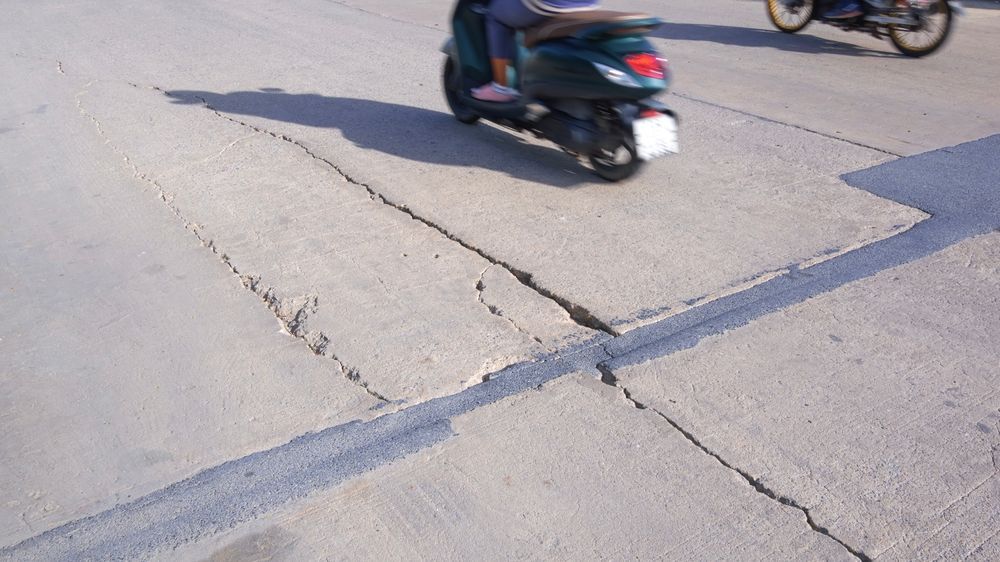
Speeding raises stopping distances and crash energy, making collisions more likely and more severe on Savannah’s mix of urban streets and arterials. In heavy rain, fog, or poor lighting, slow down significantly. A practical rule is to cut speed by about 20% in heavy rain and increase your following gap. Potholes, uneven pavement, and narrow historic lanes call for slower speeds and careful steering to avoid losing control or striking cyclists. Matching your speed to surface, visibility, and pedestrian density is one of the simplest ways to reduce both crash frequency and severity across the city.
What Should You Do Immediately After a Car Accident in Savannah?
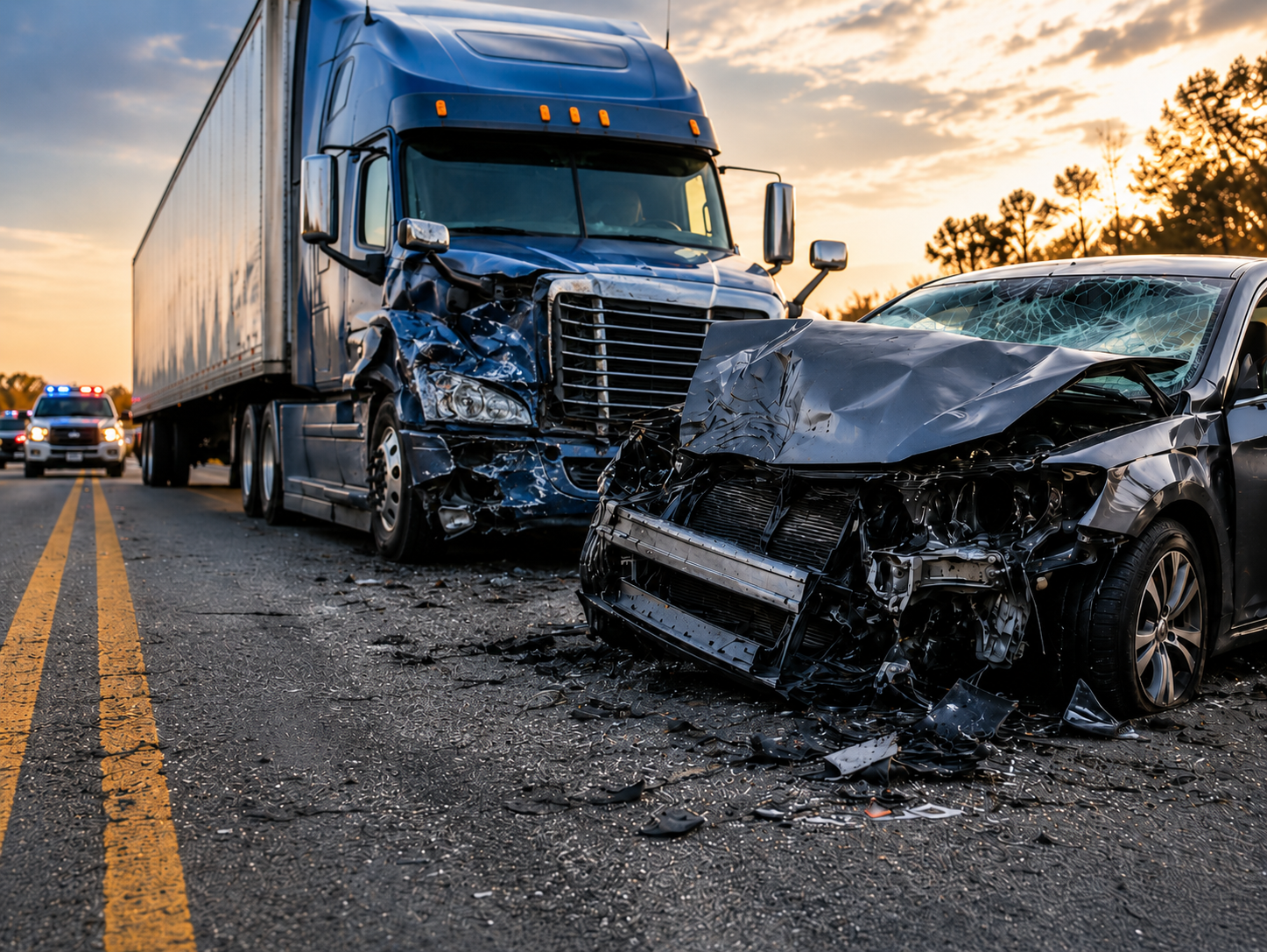
After a crash, prioritize health and preserve evidence: check for injuries, secure the scene if safe, collect evidence, and report to authorities. The table below lays out a step-by-step checklist that links each action to its purpose and gives practical on-the-ground steps to protect your rights. Following these steps helps with both immediate safety and later insurance or legal processes.
The numbered steps below reinforce the order and add practical tips for dealing with insurers and first responders:
- Check for injuries and call emergency services if anyone is hurt.
- Secure the scene if it’s safe to do so and document everything with photos.
- Exchange limited information, including names and insurance, but avoid detailed admissions of fault.
- Request a police report and record the responding officer’s name and badge number.
- Notify your insurer promptly, but avoid recorded statements about fault without legal advice.
These actions protect both health and legal options. If you suffer injuries or face complicated evidence issues, speaking with a local attorney is often a wise next step. Zdrilich Injury Law is a Savannah personal injury firm that provides guidance on post-crash steps and can help injured motorists protect their claims and pursue fair compensation.
What Are the Critical Steps to Protect Your Health and Legal Rights After a Crash?
Protecting your health starts with prompt medical attention, even for minor-feeling injuries, because symptoms can surface later and medical records link injuries to the crash. Preserve the scene with photos and witness contacts, and obtain a police report to create an independent record; these documents are key for insurers and attorneys when establishing fault. When speaking with insurance representatives, stick to factual descriptions and avoid speculation or recorded admissions of fault. Act promptly: get medical care right away, document details the same day, and keep all medical and repair bills to support any future claim.
Why Is Legal Representation Important for Savannah Car Accident Victims?
An attorney helps injured drivers preserve evidence, negotiate with insurers, and pursue full compensation by connecting medical records to legal standards and local enforcement records. A Savannah car accident lawyer organizes medical documentation, can obtain independent reconstruction if necessary, and negotiates with insurers to avoid premature low offers.
For many victims, counsel evens the playing field with insurance companies and clarifies options under Georgia law. If you face serious injury, disputed fault, or inadequate insurer offers, speaking with an experienced local attorney like Joseph Zdrilich at Zdrilich Injury Law can help you understand your rights and next steps.
Frequently Asked Questions
What should I do if I encounter a pedestrian in a crosswalk while driving in Savannah?
If a pedestrian is in a crosswalk, you must yield. Slow and prepare to stop, giving the person time to cross safely. Stay especially alert in busy areas or during events when foot traffic rises. Pedestrians don’t always follow signals, so anticipate movement and be ready to react. Yielding protects people and follows local traffic laws that prioritize pedestrians.
How can I prepare my vehicle for safe driving in Savannah's unique conditions?
Prepare your vehicle through routine maintenance and safety checks. Inspect brakes, tires, and lights regularly. These systems matter on narrow streets and at busy intersections. Use a GPS or traffic app for real-time updates to avoid backups, and carry an emergency kit with first-aid supplies, water, and basic tools for unexpected situations.
What are the legal consequences of distracted driving in Savannah?
Distracted driving can bring fines, points on your license, and higher insurance rates. Georgia restricts handheld device use while driving, and violations carry penalties. If distracted driving causes an accident, the driver may face civil liability for damages and injuries. Understanding the law and adopting safer habits reduces both legal and safety risks.
Are there specific times when driving in Savannah is more dangerous?
Yes. Peak tourist seasons, festivals, and holidays increase pedestrian traffic and congestion. Morning and late-afternoon rush hours also increase the risk of collisions due to impatient driving and abrupt stops. Weather, such as rain or fog, further complicates conditions. Being aware of these times helps you plan trips and drive more cautiously when risk is higher.
What resources are available for drivers seeking to improve their skills in Savannah?
Local driving schools offer defensive driving courses tailored to area conditions. Community safety workshops and seminars offered by law enforcement or safety organizations also provide valuable training. Online resources like videos and articles on defensive driving are helpful too. Using these resources can sharpen your skills and make you a safer driver in Savannah.
How can I report unsafe driving behavior I observe in Savannah?
To report unsafe driving, contact local law enforcement with as many details as possible: vehicle make, model, color, license plate, location, and the behavior you observed. You can call the Savannah Police Department or use their non-emergency number. Some community programs also collect reports of unsafe driving to help improve local road safety.
Couldn't Avoid an Accident? We Can Help
Sometimes the best-laid plans don't pan out the way we want. That includes getting into an accident despite your best efforts to avoid it. If this is you, call us today. We can help you file a claim and keep your insurer honest when it comes to compensation. Contact our experienced team today for help.
Recent Posts

Attorney Joseph Zdrilich
Attorney Joseph A. Zdrilich is the founder of Zdrilich Injury Law and has represented injured clients across Georgia since 2007. He is a graduate of the University of Richmond and Syracuse University College of Law and has handled both bench and jury trials in personal injury, workers’ compensation, trucking, and auto accident cases. He is admitted to practice in all Georgia state courts, the U.S. District Courts for the Northern and Middle Districts of Georgia, and the Eleventh Circuit Court of Appeals. If you were injured due to someone else’s negligence, contact Zdrilich Injury Law today for a free legal consultation.
GET A FREE CONSULTATION TODAY
INJURED? TAKE YOUR LIFE BACK!
Zdrilich Injury Law is committed to helping injured Georgians receive the money they need to recover physically and financially after an accident.